As the weather cools across South Australia, autumn brings a change not just for us—but for our pets too.
This is one of the most important times of year to stay on top of your pet’s health.
Why?
Because many common issues actually increase during autumn.
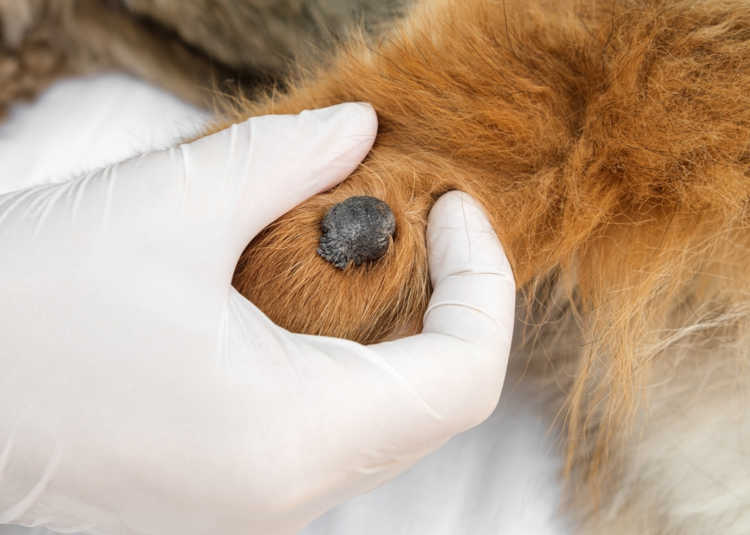
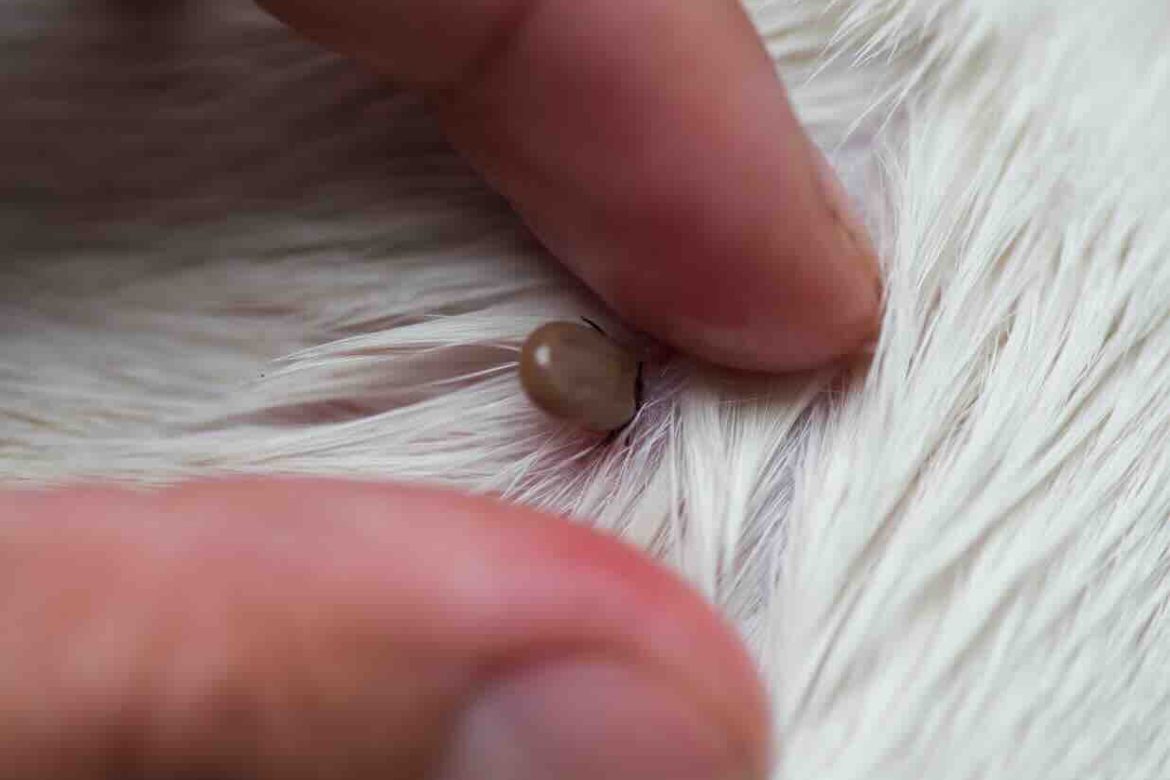
Fleas often surge after the warmer months, and ticks can still be active. Cooler weather can also aggravate arthritis in older pets, while seasonal changes may trigger skin conditions or allergies—especially in dogs.
And here’s the part most owners don’t realise…
Pets are very good at hiding discomfort.
By the time symptoms are obvious, the issue is often more advanced—and more expensive to treat.
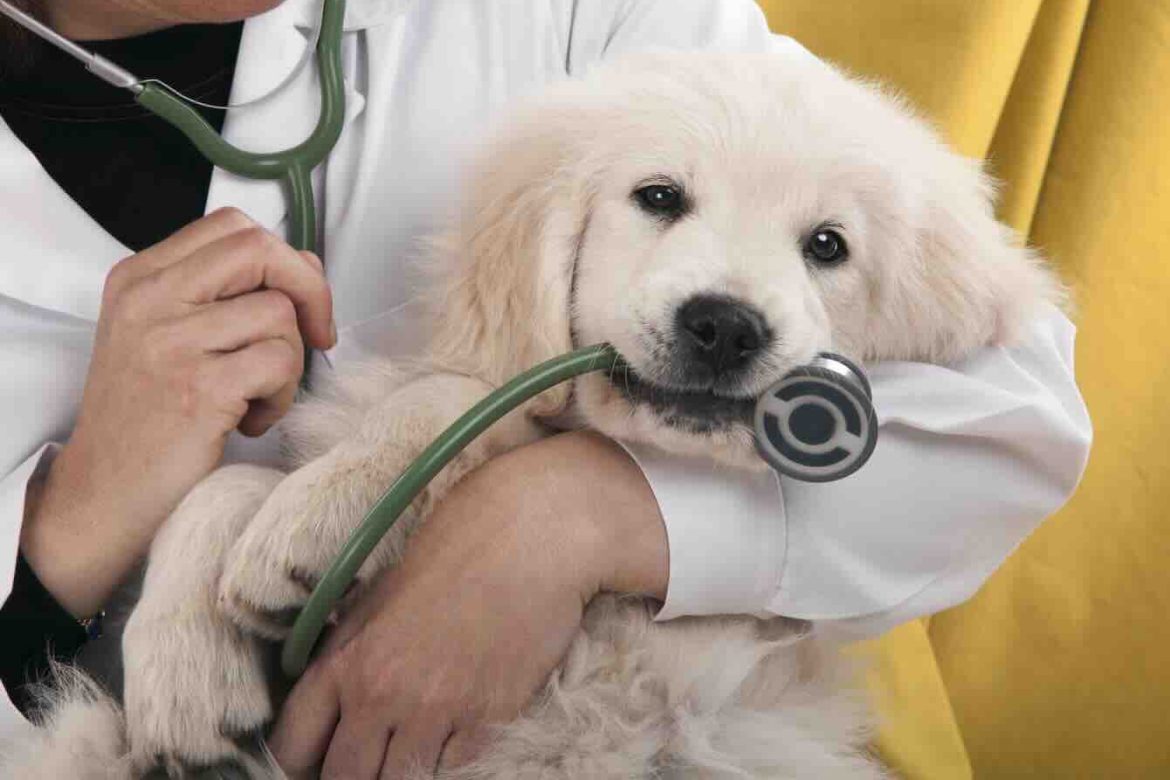
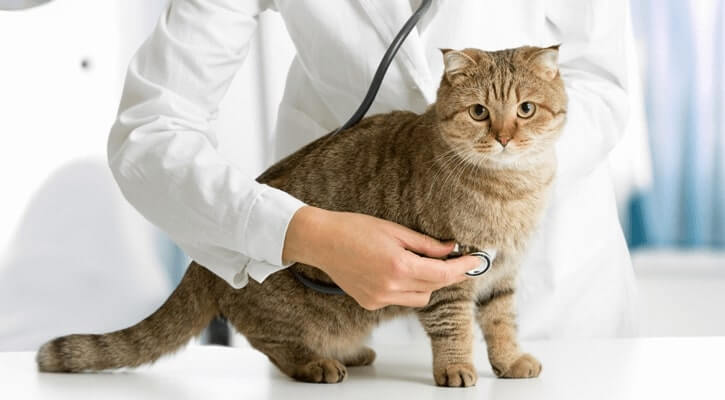
A simple autumn check-up can help catch problems early and keep your pet comfortable heading into winter.
During an autumn visit, we can:
✔ Check for fleas, ticks, and parasites
✔ Assess joint health and mobility
✔ Review diet and weight (pets often slow down in cooler months)
✔ Identify early signs of skin or ear issues
✔ Ensure vaccinations and preventatives are up to date
It’s quick, affordable, and gives you peace of mind.
More importantly, it helps your pet stay happy, active, and pain-free as the seasons change.
If your pet hasn’t had a recent check-up—or you’ve noticed even small changes in behaviour—it’s worth getting them looked at now rather than waiting.
Book your autumn health check today and stay ahead of potential problems before winter arrives.